What were the original rules and betting options for roulette?
The original rules and betting options for roulette were relatively simple. The game featured a spinning wheel with numbered pockets, typically ranging from 1 to 36. The early versions of the game also featured a single zero pocket, which gave the house a slight edge. In some variations, there was also a double zero pocket, which further increased the house edge.
Players would place their bets on the table, which had a grid layout that corresponded to the numbers on the wheel. They could place bets on a single number or a group of numbers, with different payouts depending on the odds of the bet.
The simplest bets were “inside” bets, which involved placing chips directly on a single number or a small group of adjacent numbers. The payout for these bets was higher, as they were less likely to win. Players could also make “outside” bets, which covered larger groups of numbers and offered lower payouts.
Some common outside bets included betting on whether the winning number would be odd or even, red or black, or high or low (1-18 or 19-36). Another popular outside bet was the “dozen” bet, which involved betting on one of three groups of 12 numbers (1-12, 13-24, or 25-36).
sheesh casino reviews
オンカジの法的リスクと安全な楽しみ方を解説
Paulius Plausinaitis Wins GGMillion$ SHR for $315054
Strategies and precautions to win at Vera John Casino | Safe play method for big wins 13f.net
Everygame Poker Review: Your Guide to Online Poker
WPT Global’s Sunday Hyper PKO Showdown: Low Buy-In High Excitement
Payment Options at EVERYGAME Poker: Quick and Easy Transactions
Martin Tsvetanov Wins Record-Breaking Eureka Main Event at EPT Prague
How to Win at Online Blackjack: Strategies for 2025
オンカジはなぜダメ?日本人が知らない4つの致命的リスク
Casino Bonus Examples: Types Offers & How They Work
sheesh casino reviews
4 Types of Casinos Explained: Land Online Tribal & Riverboat
WPT Global Casino: A Fun-Filled Adventure
ベラジョン終了日 未定: 最新情報と退会手続きのガイド
WPT Global ¥110 CN¥ Million Sunday Hyper PKO Showdown
How to Start Playing Online Poker in 2025: A Beginner’s Guide
Golden Bounty Championship: Your Weekly Shot at $100K on WPT Global
2025 WSOP Explosion! New Formats + Huge Prizes Poker Players Must Not Miss It!
One Shot – Freezeout Tournament by WPT Global
New USA Online Casinos With No Deposit Bonus
How to win at slots Tricks to improve your odds
sheesh casino reviews
ベラジョンカジノに繋がらない!即効解決策10選【2026年最新版】
WSOP USA Top 8 FAQ
Play Online Poker on Android: The 2025 Guide
2025 Edition Vera John Casino Complete Guide | Registration Deposit Withdrawal Safety Summary 13f.net
Sheesh Casino Reviews: Games Payments Bonuses and Player Experience Explained
WPT Global Tournament Schedule 2025
What Is the $50 Casino Bonus at Hard Rock?
WPT Global Withdrawal Guide: Cashing Out Made Simple
What is the origin of the name Roulette?
Best New USA Casino Welcome Bonuses
sheesh casino reviews
Is Vera John Casino illegal? safety? Thorough explanation of login and deposit methods 13f.net
ベラジョンカジノとは?2026年最新情報を完全解説|日本No.1オンラインカジノ
Cory Zeidman Pleads Guilty to Sports Betting Fraud Scheme
Turn Casino Bonus Into Cash: Easy Playthrough Guide
How to Turn a Casino Bonus Into Real Money
WPT World Championship 2024 Kicks Off at Wynn Las Vegas: What to Expect
Bonus Money in Gambling: How It Works – A Clear Guide
The Thrilling Race for WPT Season 22 Player of the Year at Wynn Las Vegas
How Do Gambling Bonuses Work? Complete Guide 2026
Best Online Casino Bonuses in 2026: Top Offers That Actually Pay
FAQ
sheesh casino login
WPT Global Withdrawal Guide: Cashing Out Made Simple
Top Online Casino Bonuses 2026: Real Examples & How to Maximize Value
How to win at slots Tricks to improve your odds
オンカジはやめとけ!違法・詐欺・依存のヤバい真相
Online Casino Bonus Types in the USA – Frequently Asked Questions
Can I Play GGPoker in the US?
New USA Online Casinos With No Deposit Bonus
How to Turn a Casino Bonus Into Real Money
WPT Global Tournament Schedule 2025
ベラジョン終了日 未定: 最新情報と退会手続きのガイド
sheesh casino login
Doug Polk Faces Backlash Over Playing in His Own Tournaments at The Lodge
Best Online Casino Bonuses 2026: Top $2500 Matches & Free Spins
Best Online Casino Bonuses 2026: Real Value & Clear Terms
バカラの勝率は?
ベラジョン出金は何日?2026年最新・最短2時間着金完全ガイド
2025 WSOP Explosion! New Formats + Huge Prizes Poker Players Must Not Miss It!
Comprehensive Guide: How Online Casino Bonuses Work in the USA (2026 Edition)
ベラジョンカジノ 最高出金額$100000!仮想通貨なら1回で1500万円出金可能
What is Hyper Dash in WPT Global?Dive into Quick Thrilling Poker Action!
オンカジがバレたらどうなる?罰則と発覚リスクを解説
sheesh casino
バカラの勝率は?
Sheesh Casino Reviews: Games Payments Bonuses and Player Experience Explained
What Is the $50 Casino Bonus at Hard Rock?
Use WPT Global Passport Dollars to Enter Triton High-Stakes Events
10 Online Casinos Giving Birthday Bonuses in USA 2026
Phil Ivey Hosts Festive Meet-Up Game at Wynn Las Vegas This December
カジノの出金スピード
Online Casino Bonus Types in the USA – Frequently Asked Questions
カジノで人気のギャンブル5選
オンラインカジノで捕まると刑は?罰金・懲役の実額完全解説
sheesh casino login
How Is a Bonus Calculated? Simple Guide
Top No Deposit Bonus Casinos in 2025: Play and Win Without Spending a Dime
How to win at slots Tricks to improve your odds
Best Online Casino Bonuses 2026: Top $5000 Welcome Offers Revealed
WPT Global No Deposit Bonus 2025 – Try Real Online Poker Risk-Free
Best Online Casino Bonus 2026: Top $10K+ Offers Ranked
オンカジがバレる7つの理由【金融取引・SNS・IPで発覚する実態】
Top Online Casino Apps of 2025
Sheesh Casino Player Guide: Games Payments Mobile Play and Responsible Gambling
Summary of Vera John Casino deposit methods minimum bets and bonus usage 13f.net
sheesh casino
オンカジの法的リスクと安全な楽しみ方を解説
Most Trusted Online Casino: WPT Global
WPT Global Spring Festival: $7000000 Guaranteed Prize Pool
ベラジョン出金は何日?2026年最新・最短2時間着金完全ガイド
バカラの勝率は?
ラスベガスのカジノでいくら勝った?実例と税金
What is the origin of the name Roulette?
WPT Global: The Premier Choice for Poker Players
The Thrilling Race for WPT Season 22 Player of the Year at Wynn Las Vegas
WPT Global Tournament Schedule 2025
sheesh casino login
オンカジの法的リスクと安全な楽しみ方を解説
Everygame Poker Review: Your Guide to Online Poker
WPT Global Bonus Terms: Cashing In Made Simple
Most Trusted Online Casino: WPT Global
Best Online Casino Bonuses 2026: Top $5000 Welcome Offers Revealed
What is TP in WPT poker?
カジノで何円あれば楽しめる?5000円から本格的体験まで完全ガイド
Paulius Plausinaitis Wins GGMillion$ SHR for $315054
10 Online Casinos Giving Birthday Bonuses in USA 2026
Online Casino Bonuses USA – Frequently Asked Questions
What is the future of the game of roulette?
What is the future of the game of roulette? One potential future for roulette is the integration of virtual and augmented reality technologies. This would allow players to immerse themselves in a virtual casino environment and enjoy a more realistic and engaging gaming experience.
Another potential future for roulette is the continued growth of online gaming. As more and more people turn to the internet for their gaming needs, online casinos are likely to become even more popular.
sheesh casino reviews
No Deposit Free Spins at WPT Global – Play Without Spending
オンカジの法的リスクと安全な楽しみ方を解説
WPT Global ¥110 CN¥ Million Sunday Hyper PKO Showdown
ベラジョンカジノ退会方法
Best Online Casino Bonuses in 2026: Top Offers That Actually Pay
How did the introduction of online casinos impact the game of roulette?
オンラインカジノの最高勝ち額はいくら?上限と日本の法律
ベラジョン2000万円出金拒否問題とは?原因と注意点
How to Use Casino Bonuses: A Simple Guide
WPT Global vs GGPoker: Which Poker Platform Should You Choose in 2025?
sheesh casino
Use WPT777 Bonus Code to Claim Your Special Offer at WPT Global
カジノで1番人気のゲームは?定番4種類を解説
オンカジで絶対NGな禁止行為6選|アカウント凍結リスクを徹底解説
Phil Ivey Hosts Festive Meet-Up Game at Wynn Las Vegas This December
ベラジョン出金は何日?2026年最新・最短2時間着金完全ガイド
Is Global Poker Real Money?
カジノで何円あれば楽しめる?5000円から本格的体験まで完全ガイド
WPT Global Casino: A Fun-Filled Adventure
Best No-Deposit Casino Bonuses: What to Check
Bonus Money in Gambling: How It Works – A Clear Guide
sheesh casino login
Phil Ivey Hosts Festive Meet-Up Game at Wynn Las Vegas This December
Where Can You Play WPT Global? Supported Countries & Platform Highlights
How Bonuses Are Usually Paid Out
ラスベガスのカジノでいくら勝った?実例と税金
New Rules for WSOP Paradise: Electronic Devices and Real-Time Assistance
How to Win at Online Blackjack: Strategies for 2025
WPT Global Spring Festival: $7000000 Guaranteed Prize Pool
オンカジベラジョン違法?日本での賭博罪リスクと注意点を簡単解説
ベラジョンカジノ 最高出金額$100000!仮想通貨なら1回で1500万円出金可能
カジノで1番稼いだ人は誰?
sheesh casino reviews
オンカジで絶対NGな禁止行為6選|アカウント凍結リスクを徹底解説
The Daily Prime Tournaments from WPT Global
Online Casino Games: Types Rules & Examples
カジノアプリは違法?日本の法律と注意点
11 best poker apps and games for Android
WPT Global: The Premier Choice for Poker Players
Which Countries Can Play WPTGlobal in 2024?
WPT World Championship 2024 Kicks Off at Wynn Las Vegas: What to Expect
Summary of Vera John Casino deposit methods minimum bets and bonus usage 13f.net
ベラジョンは違法?
When and where was the game of roulette first played?
When and where was the game of roulette first played? The game as we know it today first appeared in Paris in 1796, and quickly gained popularity throughout Europe, especially in the casinos of Monte Carlo. The addition of the zero by Francois and Louis Blanc in the mid-19th century helped to increase the house edge and make the game more profitable for casinos.
sheesh casino login
WPT Global Newest Promo: Ticket to Some Additional Play Money
オンラインカジノで捕まると刑は?罰金・懲役の実額完全解説
How to Use Casino Bonuses: A Simple Guide
Is Vera John Casino illegal? safety? Thorough explanation of login and deposit methods 13f.net
Casino Bonus Guide: How to Use Bonuses Wisely
オンカジで捕まる?
The best guide: how to playing poker online
WPT Global: The Premier Choice for Poker Players
How Do Gambling Bonuses Work? Complete Guide 2026
Shevliakov’s Comeback Wins Million-Euro Prize! How Did an Amateur Shock Everyone at the EPT Monte Carlo?
sheesh casino login
How Is a Bonus Calculated? Simple Guide
Use WPT777 Bonus Code to Claim Your Special Offer at WPT Global
Frank Stepuchin Leads 2024 WPT Seminole RRPO After Day 1
オンカジはなぜダメ?日本人が知らない4つの致命的リスク
How did the introduction of online casinos impact the game of roulette?
No Deposit Bonus Casinos USA
ベラジョンカジノに繋がらない!即効解決策10選【2026年最新版】
No Deposit Free Spins at WPT Global – Play Without Spending
WPT Prime Championship Returns with Jereld Sam Shining
When and where was the game of roulette first played?
sheesh casino
How to Start Playing Online Poker in 2025: A Beginner’s Guide
オンカジで捕まる?
WPT Global Cow Boy:A Players Perspective
バカラの勝率は?
Best Online Casino Bonuses 2026: Top $2500 Matches & Free Spins
Comprehensive Guide: How Online Casino Bonuses Work in the USA (2026 Edition)
What Does a 20X Wagering Requirement Mean?
Best Online Casino Bonuses 2026: Top $5000 Welcome Offers Revealed
Golden Bounty Championship: Your Weekly Shot at $100K on WPT Global
Highest Paying Online Casino USA 2026: BetMGM Tops with 98.03% RTP
sheesh casino reviews
How to Use Casino Bonuses: A Simple Guide
Payment Options at EVERYGAME Poker: Quick and Easy Transactions
ベラジョンカジノ 入金不要ボーナス徹底解説
How Do Gambling Bonuses Work? Complete Guide 2026
ベラジョン2000万円出金拒否問題とは?原因と注意点
WPT Global Spring Festival: $7000000 Guaranteed Prize Pool
No Deposit Free Spins at WPT Global – Play Without Spending
10 Online Casinos Giving Birthday Bonuses in USA 2026
WPT Global Now Title Sponsor For Triton Poker Super High Roller Series
One Shot – Freezeout Tournament by WPT Global
Who invented the game of roulette?
Who invented the game of roulette? The exact origins of roulette are a subject of much debate and speculation among historians and gambling enthusiasts. While there is no clear consensus on the game’s inventor, several theories exist regarding its creation.
One of the most popular theories is that the game was invented by a French mathematician named Blaise Pascal in the 17th century. According to this theory, Pascal was attempting to develop a perpetual motion machine when he inadvertently created the roulette wheel.
sheesh casino login
WPT Global’s Sunday Hyper PKO Showdown: Low Buy-In High Excitement
Top 5 Online Casinos of 2025: Where to Play and Win Big
4 Types of Casinos Explained: Swanky Party Online & Crypto
Can I Play GGPoker in the US?
What Are the Different Types of Slot Bonuses Explained
WPT Global No Deposit Bonus 2025 – Try Real Online Poker Risk-Free
カジノの最高負け額はいくら?驚きの事例と損失を防ぐ方法
How to Win at Online Slots in 2025 with WPT Global
Sheesh Casino Account Guide: Registration Verification and Security Explained
What are some famous roulette scandals and controversies throughout history?
sheesh casino reviews
オンカジベラジョン違法?日本での賭博罪リスクと注意点を簡単解説
13 Online Casino Bonus Types You Need to Know in 2026
ベラジョンカジノ 最高出金額$100000!仮想通貨なら1回で1500万円出金可能
4 Types of Casinos Explained: Swanky Party Online & Crypto
Paulius Plausinaitis Wins GGMillion$ SHR for $315054
カジノで負けない法則はないが勝ちやすくする現実的戦略
The Daily Prime Tournaments from WPT Global
Golden Bounty Championship: Your Weekly Shot at $100K on WPT Global
What is the future of the game of roulette?
ベラジョンは違法?
sheesh casino reviews
Complete explanation of Vera John Casino bonuses | No deposit required withdrawal conditions advantageous usage 13f.net
Best No-Deposit Casino Bonuses: What to Check
Casino Bonuses Explained: Types Rules & Tips
WPT Globals New Welcome Bonus: Up to $3580 in Rewards
How to Turn a Casino Bonus Into Real Money
How to Download Register and Master WPT Global: 2025 Ultimate Guide
Who invented the game of roulette?
How did the introduction of online casinos impact the game of roulette?
How to Win at Online Blackjack: Strategies for 2025
How Is a Bonus Calculated? Simple Guide
sheesh casino
FAQ: Mastering Wagering Requirements and Withdrawal Strategies
WPT Global’s Sunday Hyper PKO Showdown: Low Buy-In High Excitement
A Woman’s Guide to Selecting the Perfect Sex Toy
Online Casino Games: Types Rules & Examples
Bitstarz no deposit bonus up to 5 BTC and 200 free spins
ベラジョン出金は何日?2026年最新・最短2時間着金完全ガイド
Brazilian Rising Star Shocks Everyone by Winning Million-Euro Prize in Monte Carlo Poker World Welcomes a Super Dark Horse!
カジノで1番人気のゲームは?定番4種類を解説
WPT Global Cow Boy:A Players Perspective
2025 Edition Vera John Casino Complete Guide | Registration Deposit Withdrawal Safety Summary 13f.net
Strategies and precautions to win at Vera John Casino | Safe play method for big wins 13f.net
How did the introduction of online casinos impact the game of roulette?
ベラジョンカジノ入金ボーナス完全ガイド
Martin Tsvetanov Wins Record-Breaking Eureka Main Event at EPT Prague
13 Online Casino Bonus Types You Need to Know in 2026
カジノの女王ルーレット
Best No-Deposit Casino Bonuses: What to Check
オンカジで捕まる?
ベラジョンカジノ退会方法
Shevliakov’s Comeback Wins Million-Euro Prize! How Did an Amateur Shock Everyone at the EPT Monte Carlo?
sheesh casino
How to Turn a Casino Bonus Into Real Money
2025 WSOP Explosion! New Formats + Huge Prizes Poker Players Must Not Miss It!
Can I Play GGPoker in the US?
Where Can You Play WPT Global? Supported Countries & Platform Highlights
How Is a Bonus Calculated? Simple Guide
Do Bonus Bets Turn Into Real Money?
How to Download WSOP NV
Is It Worth Buying a Bonus on Slot Machines? Quick Guide
WPT Global: The Premier Choice for Poker Players
Phil Ivey Hosts Festive Meet-Up Game at Wynn Las Vegas This December
sheesh casino
ベラジョン2000万円出金拒否問題とは?原因と注意点
カジノで1番人気のゲームは?定番4種類を解説
オンカジで捕まる?
How Is a Bonus Calculated? Simple Guide
Best New USA Casino Welcome Bonuses
WPT Prime Championship Returns with Jereld Sam Shining
カジノの最高負け額はいくら?驚きの事例と損失を防ぐ方法
FAQ: Understanding Online Casino Bonuses in the USA
Complete explanation of Vera John Casino bonuses | No deposit required withdrawal conditions advantageous usage 13f.net
Summary of Vera John Casino deposit methods minimum bets and bonus usage 13f.net
sheesh casino login
Online Casino Bonus Types in the USA: How Different Bonuses Affect Play
When and where was the game of roulette first played?
Doug Polk Faces Backlash Over Playing in His Own Tournaments at The Lodge
What are some famous roulette scandals and controversies throughout history?
What role did roulette play in popular culture such as movies and literature?
No Deposit Bonus Casinos USA
The $20 Casino Method: Viral Strategy That Actually Works
WPT Global vs GGPoker: Which Poker Platform Should You Choose in 2025?
4 Types of Casinos Explained: Swanky Party Online & Crypto
How to Qualify for WPT Live Events Online in 2025
What Does a 20X Wagering Requirement Mean?
What Does a 20X Wagering Requirement Mean? A 20X wagering requirement means you must place eligible bets worth 20 times the bonus amount before you can withdraw bonus-related funds or winnings. For example, if a casino gives you a $50 bonus with a 20X requirement, you must wager $1,000 in total: $50 × 20 = $1,000.
The amount used to calculate the requirement depends on the casino’s terms. If the 20X applies to a $100 bonus plus a $100 deposit, the target would be $4,000: ($100 + $100) × 20.
sheesh casino login
Best No-Deposit Casino Bonuses: What to Check
When and why was the double zero added to the American roulette wheel?
Best Online Casino Bonuses in 2026: Top Offers That Actually Pay
Use WPT777 Bonus Code to Claim Your Special Offer at WPT Global
What is Hyper Dash in WPT Global?Dive into Quick Thrilling Poker Action!
Is Online Poker Rigged?
WPT Global Casino: A Fun-Filled Adventure
Online Casino Bonus Types in the USA – Frequently Asked Questions
10 Online Casinos Giving Birthday Bonuses in USA 2026
Use WPT Global Passport Dollars to Enter Triton High-Stakes Events
sheesh casino reviews
What Are the Different Types of Slot Bonuses Explained
How to Qualify for WPT Live Events Online in 2025
オンカジがバレる7つの理由【金融取引・SNS・IPで発覚する実態】
ベラジョンカジノ入金ボーナス完全ガイド
The Thrilling Race for WPT Season 22 Player of the Year at Wynn Las Vegas
オンカジはなぜダメ?日本人が知らない4つの致命的リスク
2025 WSOP Explosion! New Formats + Huge Prizes Poker Players Must Not Miss It!
What are some famous roulette scandals and controversies throughout history?
WPT Global Cow Boy:A Players Perspective
What is a Rake Chase?
sheesh casino reviews
Is Online Poker Rigged?
How to win at slots Tricks to improve your odds
オンカジベラジョン違法?日本での賭博罪リスクと注意点を簡単解説
WPT Global Now Title Sponsor For Triton Poker Super High Roller Series
Mastering the Selection: How to Evaluate the Best US Casino Bonuses
How Bonuses Are Usually Paid Out
WPT Global: The Premier Choice for Poker Players
ベラジョンカジノとは?2026年最新情報を完全解説|日本No.1オンラインカジノ
WPT World Championship 2024 Kicks Off at Wynn Las Vegas: What to Expect
Best USA Casinos With Free No Deposit Welcome Bonuses
sheesh casino
WPT Globals New Welcome Bonus: Up to $3580 in Rewards
Can I Convert Casino Bonus to Cash? The Truth About Withdrawing Bonus Wins
カジノで人気のギャンブル5選
The $20 Casino Method: Viral Strategy That Actually Works
11 best poker apps and games for Android
Can You Win Real Money With a Casino Bonus?
Is It Worth Buying a Bonus on Slot Machines? Quick Guide
ベラジョンカジノ 最高出金額$100000!仮想通貨なら1回で1500万円出金可能
Paulius Plausinaitis Wins GGMillion$ SHR for $315054
Brazilian Rising Star Shocks Everyone by Winning Million-Euro Prize in Monte Carlo Poker World Welcomes a Super Dark Horse!
Casino Bonuses Explained: Types Rules & Tips
What Are Casino Bonuses? Casino bonuses are promotional rewards offered by online casinos to attract new players and encourage returning customers. They may come as bonus credits, free spins, cashback, or other perks, often with conditions attached.
Common examples include welcome bonuses for new members, deposit matches that add funds when you deposit, and free-spin offers for selected slot games. Some promotions may not require a deposit, while loyalty rewards can be aimed at existing players.
sheesh casino login
How to Download WSOP NV
The Thrilling Race for WPT Season 22 Player of the Year at Wynn Las Vegas
What is a Rake Chase?
How Online Casino Bonuses Shape Player Expectations in the USA
Everygame Poker Review: Your Guide to Online Poker
When and where was the game of roulette first played?
Doug Polk Faces Backlash Over Playing in His Own Tournaments at The Lodge
ベラジョンは違法?
WPT Global Spring Festival: $7000000 Guaranteed Prize Pool
Turn Casino Bonus Into Cash: Easy Playthrough Guide
sheesh casino
Sheesh Casino Reviews: Games Payments Bonuses and Player Experience Explained
How Bonuses Are Usually Paid Out
WPT Global Tournament Schedule 2025
オンカジの法的リスクと安全な楽しみ方を解説
WPT Global Million Sunday Hyper PKO Showdown: Event Details & Guide
オンラインカジノの入金時間は?
Best USA Casinos With Free No Deposit Welcome Bonuses
11 best poker apps and games for Android
Shevliakov’s Comeback Wins Million-Euro Prize! How Did an Amateur Shock Everyone at the EPT Monte Carlo?
The Daily Prime Tournaments from WPT Global
sheesh casino login
Phil Ivey Hosts Festive Meet-Up Game at Wynn Las Vegas This December
Sheesh Casino Reviews: Games Payments Bonuses and Player Experience Explained
How to Start Playing Online Poker in 2025: A Beginner’s Guide
カジノの最高負け額はいくら?驚きの事例と損失を防ぐ方法
ベラジョンカジノ 入金不要ボーナス徹底解説
Casino Bonus Guide: How to Use Bonuses Wisely
Online Casino Bonus Types in the USA – Frequently Asked Questions
What Are the Different Types of Slot Bonuses Explained
Top 5 Online Casinos of 2025: Where to Play and Win Big
Where Can You Play WPT Global? Supported Countries & Platform Highlights
sheesh casino reviews
オンカジはやめとけ!違法・詐欺・依存のヤバい真相
How to Start Playing Online Poker in 2025: A Beginner’s Guide
Online Casino Bonuses USA – Frequently Asked Questions
Can I Play GGPoker in the US?
Best Online Casino Bonus 2026: Top $10K+ Offers Ranked
How did the introduction of online casinos impact the game of roulette?
カジノで1番稼いだ人は誰?
Top Online Poker Tournaments to Watch and Play in 2025
Can I Convert Casino Bonus to Cash? The Truth About Withdrawing Bonus Wins
WPT Globals New Welcome Bonus: Up to $3580 in Rewards
Who invented the game of roulette?
Who invented the game of roulette? The exact origins of roulette are a subject of much debate and speculation among historians and gambling enthusiasts. While there is no clear consensus on the game’s inventor, several theories exist regarding its creation.
One of the most popular theories is that the game was invented by a French mathematician named Blaise Pascal in the 17th century. According to this theory, Pascal was attempting to develop a perpetual motion machine when he inadvertently created the roulette wheel.
sheesh casino login
カジノで1番人気のゲームは?定番4種類を解説
Top Online Poker Tournaments to Watch and Play in 2025
Shevliakov’s Comeback Wins Million-Euro Prize! How Did an Amateur Shock Everyone at the EPT Monte Carlo?
オンラインカジノの入金時間は?
The Daily Prime Tournaments from WPT Global
ベラジョンカジノ 入金不要ボーナス徹底解説
カジノで何円あれば楽しめる?5000円から本格的体験まで完全ガイド
Best USA Casinos With Free No Deposit Welcome Bonuses
How Online Casino Bonuses Shape Player Expectations in the USA
Sheesh Casino Reviews: Games Payments Bonuses and Player Experience Explained
sheesh casino login
Best New USA Casino Welcome Bonuses
4 Types of Casinos Explained: Swanky Party Online & Crypto
Top 5 Online Casinos of 2025: Where to Play and Win Big
カジノで何円あれば楽しめる?5000円から本格的体験まで完全ガイド
Casino Bonus How It Works: Wagering Terms & Examples
What is TP in WPT poker?
How to win at slots Tricks to improve your odds
Can You Win Real Money With a Casino Bonus?
カジノで1番稼いだ人は誰?
Highest Paying Online Casino USA 2026: BetMGM Tops with 98.03% RTP
sheesh casino reviews
Sheesh Casino Guide: Games Accounts Promotions and What US Players Should Know
WPT Global Million Sunday Hyper PKO Showdown: Event Details & Guide
Best Online Casino Bonus 2026: Top $10K+ Offers Ranked
2025 Edition Vera John Casino Complete Guide | Registration Deposit Withdrawal Safety Summary 13f.net
Do Bonus Bets Turn Into Real Money?
How to Start Playing Online Poker in 2025: A Beginner’s Guide
How Is a Bonus Calculated? Simple Guide
Qualify for the WPT Global Main Event via Low Buy-In Satellites
オンカジはやめとけ!違法・詐欺・依存のヤバい真相
Frank Stepuchin Leads 2024 WPT Seminole RRPO After Day 1
sheesh casino
ラスベガスのカジノでいくら勝った?実例と税金
ベラジョンカジノ 入金不要ボーナス徹底解説
WPT Global Million Sunday Hyper PKO Showdown: Event Details & Guide
What were the original rules and betting options for roulette?
The Thrilling Race for WPT Season 22 Player of the Year at Wynn Las Vegas
Online Casino Bonus Types in the USA – Frequently Asked Questions
カジノの最高負け額はいくら?驚きの事例と損失を防ぐ方法
Top No Deposit Bonus Casinos in 2025: Play and Win Without Spending a Dime
How did the introduction of online casinos impact the game of roulette?
ベラジョンカジノ入金ボーナス完全ガイド
Can I Convert Casino Bonus to Cash? The Truth About Withdrawing Bonus Wins
Can I Convert Casino Bonus to Cash? Yes, you can convert a casino bonus to cash, but only after you meet the casino’s wagering requirements. For example, if you claim a £10 bonus with a 35× wagering requirement, you must place bets totaling £350 before the bonus turns into withdrawable cash. Until you finish this, the bonus stays locked and cannot be withdrawn.
Most online casinos use a wagering multiplier between 30× and 35×, which means you must bet 30 to 35 times the bonus amount.
sheesh casino login
Casino Bonuses Explained: Types Rules & Tips
How to Turn a Casino Bonus Into Real Money
オンカジはなぜダメ?日本人が知らない4つの致命的リスク
Eligible Countries for EVERYGAME Poker: Join the Action with bonus code
Brazilian Rising Star Shocks Everyone by Winning Million-Euro Prize in Monte Carlo Poker World Welcomes a Super Dark Horse!
オンラインカジノの最高勝ち額はいくら?上限と日本の法律
Online Casino Bonuses USA – Frequently Asked Questions
WPT Global ¥110 CN¥ Million Sunday Hyper PKO Showdown
Highest Paying Online Casino USA 2026: BetMGM Tops with 98.03% RTP
How did the introduction of online casinos impact the game of roulette?
sheesh casino login
Can I Convert Casino Bonus to Cash? The Truth About Withdrawing Bonus Wins
The $20 Casino Method: Viral Strategy That Actually Works
WPT Global Now Title Sponsor For Triton Poker Super High Roller Series
How to Win at Online Slots in 2025 with WPT Global
WPT Global vs GGPoker: Which Poker Platform Should You Choose in 2025?
ベラジョンは違法?
How Online Casino Bonuses Shape Player Expectations in the USA
Online Casino Bonus Types in the USA: How Different Bonuses Affect Play
オンラインカジノで捕まると刑は?罰金・懲役の実額完全解説
オンカジがバレたらどうなる?罰則と発覚リスクを解説
sheesh casino
Paulius Plausinaitis Wins GGMillion$ SHR for $315054
オンラインカジノで捕まると刑は?罰金・懲役の実額完全解説
オンカジで捕まる?
WPT Global’s Sunday Hyper PKO Showdown: Low Buy-In High Excitement
オンラインカジノの最高勝ち額はいくら?上限と日本の法律
How to Win at Online Blackjack: Strategies for 2025
How to Turn a Casino Bonus Into Real Money
カジノの世界1位はどこ?
WPT Global No Deposit Bonus 2025 – Try Real Online Poker Risk-Free
ベラジョンカジノとは?2026年最新情報を完全解説|日本No.1オンラインカジノ
sheesh casino login
Paulius Plausinaitis Wins GGMillion$ SHR for $315054
The Daily Prime Tournaments from WPT Global
Qualify for the WPT Global Main Event via Low Buy-In Satellites
Is It Worth Buying a Bonus on Slot Machines? Quick Guide
オンカジがバレたらどうなる?罰則と発覚リスクを解説
How Online Casino Bonuses Turn Into Real Money in the USA – FAQs Explained
Can I Convert Casino Bonus to Cash? The Truth About Withdrawing Bonus Wins
Online Casino Bonuses USA – Frequently Asked Questions
Martin Tsvetanov Wins Record-Breaking Eureka Main Event at EPT Prague
What Are the Different Types of Slot Bonuses Explained
The Eudaemons – In the 1970s a group of physics students at the University of California Santa Cruz used a computer to predict the outcomes of roulette games in Nevada casinos. They called themselves “The Eudaemons” and made significant profits before their operation was shut down.
Discover how to qualify for WPT live events online in 2025 through platforms like WPT Global and ClubWPT. Learn about satellite tournaments WPT Passports and more.
Discover which online casinos in the USA may offer no deposit bonuses including free spins bonus cash and limited-time promotions. Learn what to check before claiming and how to find the best value offers.
Discover WPT Globals Daily Prime tournaments: daily events guaranteed prize pools diverse buy-ins and robust security in the trusted World Poker Tour environment.
the continued expansion of cryptocurrency and blockchain technology could also have a significant impact on the future of roulette. As more players look for ways to make secure and anonymous transactions it is possible that we will see more online casinos accepting cryptocurrencies like Bitcoin as a form of payment.
The game as we know it today first appeared in Paris in 1796 and quickly gained popularity throughout Europe especially in the casinos of Monte Carlo. The addition of the zero by Francois and Louis Blanc in the mid-19th century helped to increase the house edge and make the game more profitable for casinos.
One of the most popular theories is that the game was invented by a French mathematician named Blaise Pascal in the 17th century. According to this theory Pascal was attempting to develop a perpetual motion machine when he inadvertently created the roulette wheel. While this story is widely circulated there is little concrete evidence to support it.
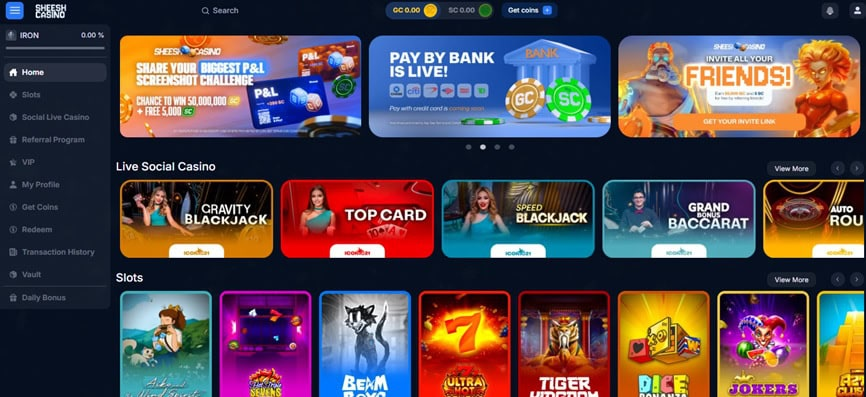
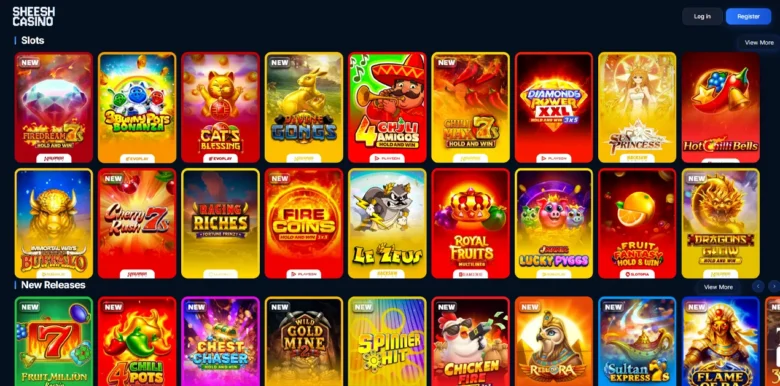
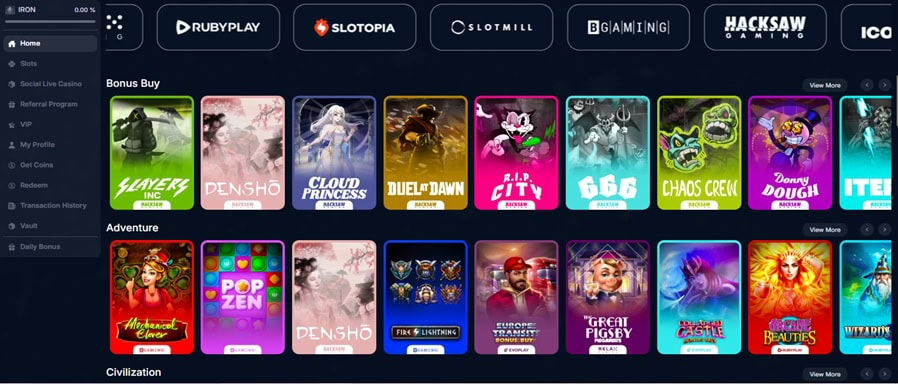
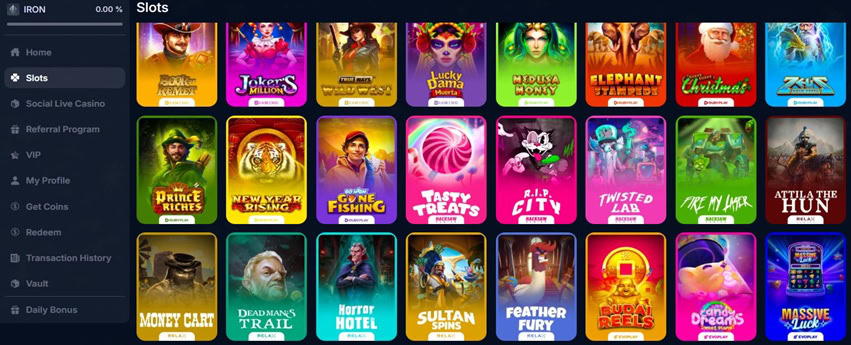
What were the original rules and betting options for roulette? Sheesh Casino Login, Reviews & Player Guide
sheesh casino login
How to Use Casino Bonuses: A Simple Guide
カジノの世界1位はどこ?
Best Online Casino Bonuses in 2026: Top Offers That Actually Pay
Top Online Poker Tournaments to Watch and Play in 2025
Can I Convert Casino Bonus to Cash? The Truth About Withdrawing Bonus Wins
Sheesh Casino Login Guide: Account Access Password Recovery and Security
Top Online Casino Apps of 2025
How Online Casino Bonuses Turn Into Real Money in the USA – FAQs Explained
カジノで人気のギャンブル5選
Can you win big at Vera John Casino? Thorough explanation of withdrawal limits safety and risks 13f.net
sheesh casino
WPT Global Now Title Sponsor For Triton Poker Super High Roller Series
What is the origin of the name Roulette?
Sheesh Casino Player Guide: Games Payments Mobile Play and Responsible Gambling
A Woman’s Guide to Selecting the Perfect Sex Toy
Can you win big at Vera John Casino? Thorough explanation of withdrawal limits safety and risks 13f.net
WPT Global Spring Festival: $7000000 Guaranteed Prize Pool
How to win at slots Tricks to improve your odds
Best Online Casino Bonuses 2026: Real Value & Clear Terms
Best Online Casino Bonuses in 2026: Top Offers That Actually Pay
Online Casino Bonuses USA – Frequently Asked Questions
What is the future of the game of roulette? One potential future for roulette is the integration of virtual and augmented reality technologies. This would allow players to immerse themselves in a virtual casino environment and enjoy a more realistic and engaging gaming experience.
Another potential future for roulette is the continued growth of online gaming. As more and more people turn to the internet for their gaming needs, online casinos are likely to become even more popular.
When and where was the game of roulette first played? The game as we know it today first appeared in Paris in 1796, and quickly gained popularity throughout Europe, especially in the casinos of Monte Carlo. The addition of the zero by Francois and Louis Blanc in the mid-19th century helped to increase the house edge and make the game more profitable for casinos.
Who invented the game of roulette? The exact origins of roulette are a subject of much debate and speculation among historians and gambling enthusiasts. While there is no clear consensus on the game’s inventor, several theories exist regarding its creation.
One of the most popular theories is that the game was invented by a French mathematician named Blaise Pascal in the 17th century. According to this theory, Pascal was attempting to develop a perpetual motion machine when he inadvertently created the roulette wheel.